
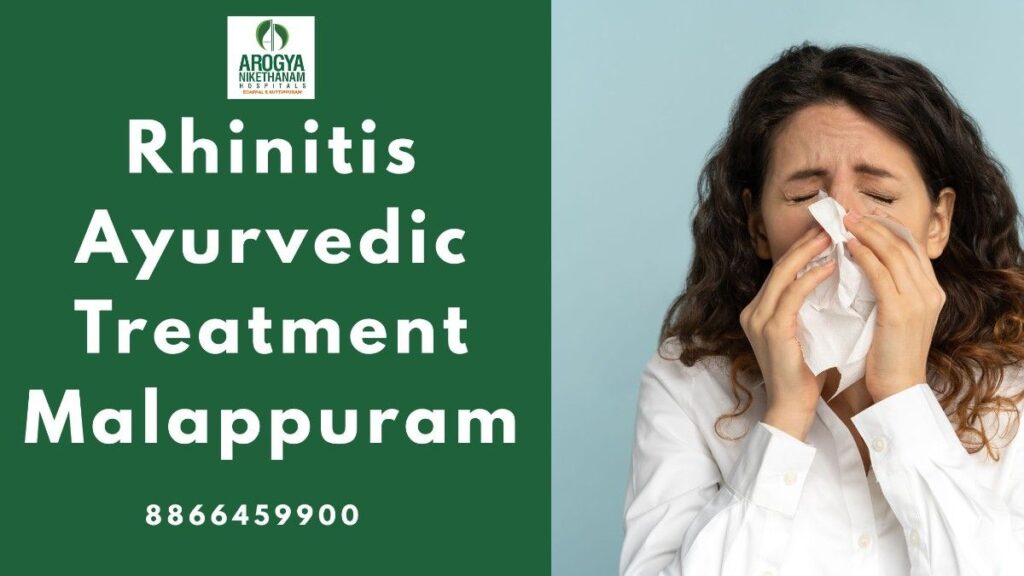
Rhinitis, characterized by inflammation of the nasal mucous membrane, affects millions of people worldwide. With symptoms such as sneezing, congestion, nasal itching, and runny nose, this condition can significantly impair one’s quality of life. In Kerala’s humid climate, allergic rhinitis is common throughout the year. However, conventional treatments such as antihistamines and nasal sprays often provide only temporary relief.
Thankfully, the time-tested principles of Ayurveda offer natural, sustainable, and holistic solutions for managing and curing rhinitis from its root cause. At Arogya Nikethanam Hospital, a leading Ayurvedic center in Malappuram, patients have found new hope and lasting relief through personalized therapies based on traditional Ayurvedic wisdom.
If you’re searching for rhinitis Ayurvedic treatment Malappuram, your journey towards better breathing and better health begins here.
Understanding Rhinitis Through the Ayurvedic Lens
In the realm of Ayurveda, rhinitis is much more than just a runny nose or sneezing bout. It is classified under a broader condition known as Pratishaya, and its interpretation is deeply rooted in the tridoshic theory—Vata, Pitta, and Kapha, which govern the human body’s physiological balance. The understanding and treatment of rhinitis in Ayurveda are therefore individualized, considering the person’s prakriti (natural constitution), vikriti (imbalance), and environmental triggers.
Here’s how rhinitis is categorized in Ayurveda:
1. Vataja Pratishaya
This type of rhinitis is dominated by Vata dosha, the principle of movement and dryness.
Symptoms: Dryness in the nasal passage, minimal discharge, headache, light sneezing, hoarseness of voice.
Causes: Excessive exposure to cold, skipping meals, irregular sleep, overthinking.
Ayurvedic View: Vata imbalance leads to obstruction in the upper respiratory tract, drying up the mucosa.
At Arogya Nikethanam Hospital, offering holistic rhinitis ayurvedic treatment in Malappuram, therapies for Vataja Pratishaya involve nasya (nasal oil therapy) with Vata-pacifying oils, warm decoctions, and medicated ghees that restore moisture and vitality to nasal tissues.
2. Pittaja Pratishaya
Here, Pitta dosha—the fire element—is predominant, leading to inflammation.
Symptoms: Burning sensation in the nose and eyes, yellowish nasal discharge, fever, irritability.
Causes: Overconsumption of spicy or sour foods, exposure to heat, suppressed anger or emotional stress.
Ayurvedic View: The inflammation signifies aggravated Pitta which heats the blood and irritates the mucous membranes.
Rhinitis ayurvedic treatment in Malappuram for Pittaja type includes cooling herbs like Amalaki, Chandana (sandalwood), and Guduchi, as well as dietary adjustments to reduce internal heat and inflammation.
3. Kaphaja Pratishaya
Dominated by Kapha dosha, this is the most common form of rhinitis in humid or cold regions.
Symptoms: Thick white or clear mucous, nasal congestion, heaviness in the head, drowsiness, sluggishness.
Causes: Excessive dairy intake, lack of exercise, over-sleeping, cold and damp environments.
Ayurvedic View: The accumulation of Kapha blocks the nasal channels and impairs respiratory function.
For Kaphaja rhinitis, the rhinitis ayurvedic treatment in Malappuram involves herbal steam inhalation (Swedana), Trikatu (ginger, black pepper, long pepper) based formulations, and detoxification therapies like Vamana (therapeutic emesis) to eliminate excess Kapha.
4. Sannipataja Pratishaya
This complex form arises when all three doshas—Vata, Pitta, and Kapha—are disturbed simultaneously.
Symptoms: A combination of dry nose, thick mucous, fever, burning eyes, and heaviness.
Causes: Long-standing rhinitis, poor lifestyle, wrong medications, recurrent seasonal infections.
Ayurvedic View: It’s a chronic and severe condition that needs systematic detoxification and immunomodulatory therapies.
At Arogya Nikethanam Hospital, rhinitis ayurvedic treatment in Malappuram for this type includes Panchakarma therapies, Rasayana (rejuvenation), and lifestyle modification under expert supervision.
5. Allergic Rhinitis (Dushta Pratishaya)
This is a modern-day epidemic, where hypersensitivity and weak immune response trigger symptoms on exposure to allergens like dust, pollen, and pollution.
Symptoms: Sneezing bouts, watery eyes, clear mucous, itchy throat, nasal irritation.
Causes: Low immunity, stress, excessive cold food, genetic predisposition.
Ayurvedic View: Known as Dushta Pratishaya, this condition is rooted in ama (toxins) accumulation and a weakened ojas (vital immunity).
The rhinitis ayurvedic treatment in Malappuram here emphasizes:
Strengthening immunity using herbs like Ashwagandha, Tulsi, and Haridra (Turmeric)
Nasya therapy using medicated oils such as Anu Tailam to cleanse sinuses
Personalized diets and breathing exercises (Pranayama) to enhance lung function
Why Choose Ayurvedic Treatment for Rhinitis?
While modern medicine often focuses on providing immediate relief through antihistamines, decongestants, or steroids, it usually addresses only the symptoms of rhinitis—leaving the underlying imbalances unresolved. This is where rhinitis Ayurvedic treatment Malappuram offers a transformative difference. Rooted in centuries-old holistic wisdom, Ayurveda aims to eliminate the root cause of the disorder by balancing the body’s fundamental energies or doshas—Vata, Pitta, and Kapha.
Treats the Root Cause (Dosha Imbalance)
Unlike conventional treatments that suppress symptoms, rhinitis Ayurvedic treatment Malappuram identifies which dosha is out of balance—typically an aggravated Kapha causing excess mucus production and congestion. Personalized therapies like Nasya (nasal drops), herbal decoctions, and Panchakarma detox are used to restore doshic balance, offering more than just symptomatic relief.
Strengthens the Immune System
Ayurveda believes that a weak immune system (Ojas) allows allergens and pathogens to trigger rhinitis. Rhinitis Ayurvedic treatment Malappuram uses immunity-boosting herbs like Guduchi, Ashwagandha, and Tulsi, along with daily routines (Dinacharya) that fortify natural resistance against seasonal and environmental triggers.
Detoxifies Body and Sinuses
Accumulated Ama (toxins) is another root cause of chronic rhinitis. Through Panchakarma therapies, especially Vamana (therapeutic vomiting) and Nasya, toxins are expelled from the digestive and respiratory tract. This not only clears congestion but rejuvenates the entire system, making rhinitis Ayurvedic treatment Malappuram a deep-cleansing experience for the body.
Uses No Harsh Chemicals or Steroids
Modern rhinitis treatments often rely on corticosteroid nasal sprays, which can cause dependency and thinning of the nasal lining with long-term use. Ayurveda, on the other hand, uses natural, plant-based remedies free from harmful chemicals or preservatives. This makes rhinitis Ayurvedic treatment Malappuram a safer alternative, especially for children and those with sensitive constitutions.
Offers Long-Term Relief with Proper Lifestyle Guidance
Ayurveda doesn’t stop at medicines—it empowers you with lifestyle and dietary guidance to prevent recurrence. Simple changes like avoiding cold foods, incorporating warming spices, practicing Pranayama, and establishing regular sleep can dramatically improve your respiratory health. When followed consistently, rhinitis Ayurvedic treatment Malappuram not only relieves symptoms but ensures lasting wellness.
Key Therapies for Rhinitis
1. Nasyam (Nasal Medication)
A key treatment in rhinitis Ayurvedic treatment Malappuram, Nasyam involves instilling medicated oils or herbal juices through the nostrils. This detoxifies the head region, clears sinuses, and strengthens nasal passages.
2. Vamana (Therapeutic Vomiting)
A Panchakarma therapy, Vamana helps eliminate Kapha dosha from the upper gastrointestinal tract and respiratory system. Especially effective in chronic allergic rhinitis.
3. Dhoomapana (Herbal Smoke Inhalation)
Medicated smoke is inhaled to reduce inflammation, fight infection, and improve breathing.
4. Shirodhara
Warm medicated oil is poured rhythmically over the forehead, calming the nervous system and reducing hyperactivity that often triggers allergic responses.
5. Herbal Internal Medications
Custom-prepared herbal decoctions, churnas (powders), and tablets help balance doshas and increase immunity.
Some commonly used herbs:
Haridra (Turmeric)
Tulsi (Holy Basil)
Vasa (Adhatoda)
Yashtimadhu (Licorice)
Pippali (Long Pepper)
6. Immunity Boosting Rasayanas
Special rejuvenative formulations to enhance Ojas (immunity) and prevent recurrence.
Diet and Lifestyle Tips for Rhinitis
When it comes to managing rhinitis, medicines alone may not bring complete relief. At Arogya Nikethanam Hospital, we believe in a holistic approach where diet and lifestyle modifications are just as important as the main line of therapy. The goal is not only symptom relief but also long-term prevention and immune balance. Our experienced Ayurvedic doctors offer comprehensive guidance as part of your rhinitis Ayurvedic treatment Malappuram plan.
Dietary Recommendations
A proper diet supports internal detoxification and reduces inflammation, which is key in rhinitis management:
Avoid Cold and Sour Foods: Curd, refrigerated drinks, ice cream, citrus fruits, and pickles can increase Kapha dosha and worsen nasal congestion.
Say No to Processed Foods: Packaged snacks, refined sugar, and fried items create ama (toxins) in the body, which leads to aggravated symptoms.
Include Warm and Nourishing Foods: Soups made with seasonal vegetables, herbal teas (especially ginger and tulsi), and freshly prepared meals help strengthen digestion and immunity.
Incorporate Medicinal Spices: Turmeric (natural anti-inflammatory), cumin (digestive aid), black pepper (Kapha pacifier), and dry ginger are valuable additions to your daily meals.
Stay Hydrated: Warm water infused with tulsi or jeera can help keep your nasal passages moist and reduce irritation.
At Arogya Nikethanam, personalized meal plans are created based on your prakriti (body constitution), dosha imbalance, and seasonal variations, forming an essential part of your rhinitis Ayurvedic treatment Malappuram.
Lifestyle Tips for Managing Rhinitis
Healthy daily habits protect your body from allergens and environmental triggers:
Steam Inhalation: Inhale steam infused with eucalyptus leaves, tulsi, or ajwain. This loosens mucus and provides immediate relief from nasal blockage.
Practice Pranayama and Yoga: Breathing exercises like Anulom Vilom, Bhramari, and Kapalabhati cleanse the respiratory system. Yoga asanas such as Bhujangasana (Cobra Pose), Setu Bandhasana (Bridge Pose), and Surya Namaskar improve circulation and immunity.
Avoid Triggers: Limit exposure to dust, pollen, cold wind, and strong perfumes. Use masks when traveling, and keep your living space clean.
Establish a Sleep Routine: A regular sleep cycle strengthens your immune system. Aim for 7–8 hours of uninterrupted rest.
Use Ayurvedic Nasal Drops (Nasya): Medicated oils like Anu Tailam, when used under supervision, protect the nasal passages and reduce allergic sensitivity.
These lifestyle changes are not one-size-fits-all. Our expert physicians at Arogya Nikethanam Hospital tailor these practices to your unique needs during your rhinitis Ayurvedic treatment Malappuram journey.
Book Your Consultation Today
Whether you suffer from seasonal allergies or chronic rhinitis, Ayurveda can offer you natural and effective healing. Trust the experienced team at Arogya Nikethanam Hospital, Edappal, for your journey to clear breathing and stronger immunity.
📍 Address:
Arogya Nikethanam Hospitals
Near Kerala Water Authority
Vallathol College Road
Edappal 679576
📞 Contact Numbers:
+91 8866459900