
The rise in diabetes has brought with it a host of complications, one of the most alarming being diabetic retinopathy. As modern lifestyles evolve and diabetes becomes more prevalent, especially in Kerala, it is crucial to explore holistic and sustainable approaches to manage its consequences. One such approach is the Ayurvedic treatment of diabetic retinopathy, which has been gaining recognition for its effectiveness and minimal side effects.
For those seeking natural, long-lasting, and holistic care, Arogya Nikethanam Hospital offers specialized Ayurveda-based diabetic retinopathy treatments in Malappuram. Our customized treatment protocols blend time-tested Ayurvedic practices with modern diagnostic techniques, offering patients renewed hope.
In this blog, we will explore diabetic retinopathy, its causes, symptoms, and how diabetic retinopathy Ayurveda Malappuram treatments at Arogya Nikethanam Hospital are transforming lives.
Diabetic Retinopathy
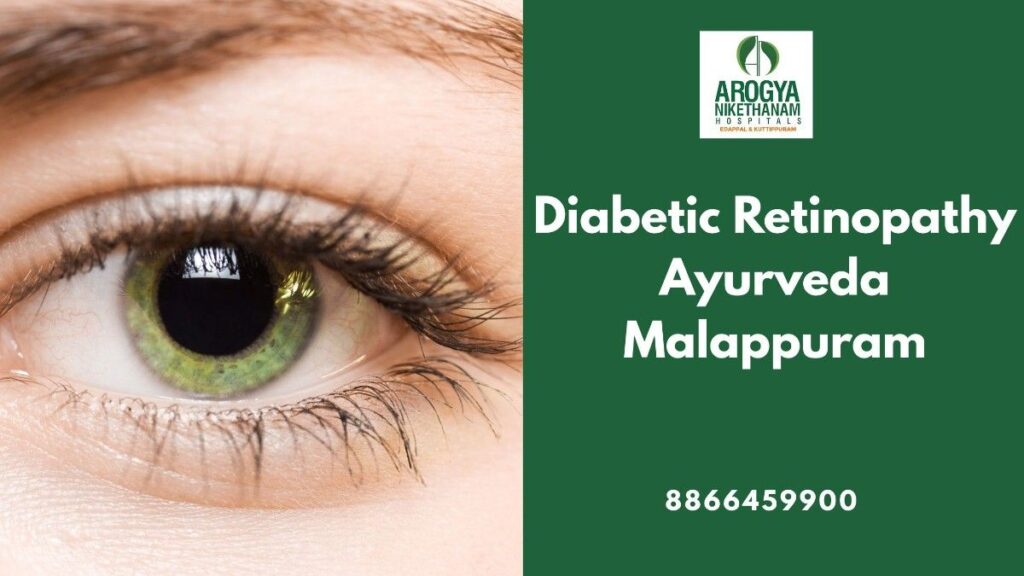
Diabetic retinopathy is a diabetes-related eye condition that affects the retina—the light-sensitive layer of tissue at the back of the eye. It occurs when prolonged high blood sugar levels damage the tiny blood vessels in the retina, leading to vision impairment and eventually blindness if untreated.
There are two main stages of diabetic retinopathy:
Non-Proliferative Diabetic Retinopathy (NPDR) – early stage with minimal or no symptoms.
Proliferative Diabetic Retinopathy (PDR) – advanced stage where abnormal new blood vessels grow, risking severe vision loss.
Kerala, with its high diabetes prevalence, has witnessed a surge in diabetic eye complications. This is where the role of diabetic retinopathy Ayurveda Malappuram becomes pivotal.
Symptoms of Diabetic Retinopathy
Diabetic retinopathy is one of the most serious complications of long-standing diabetes and often progresses silently without noticeable symptoms in the early stages. This makes it especially dangerous, as significant damage can occur to the retina before the individual becomes aware of it. As the condition worsens, symptoms begin to manifest and can greatly affect daily life.
Common Symptoms to Watch Out For:
Blurred Vision
One of the earliest signs, blurred vision occurs due to damage to the small blood vessels in the retina. This may make reading, driving, or even recognizing faces difficult.Floaters in the Visual Field
These are dark spots or strings that drift in and out of view. Floaters are caused by bleeding from damaged retinal vessels, a common feature in advanced diabetic retinopathy.Sudden Vision Loss
A sudden drop in vision may indicate bleeding inside the eye or retinal detachment. Immediate medical attention is required to prevent permanent loss of vision.Difficulty Seeing at Night
Night blindness or poor vision in dim lighting is another warning sign. The retina, being deprived of essential nutrients due to poor blood flow, becomes less responsive to changes in light.Dark or Empty Areas in Your Vision
Patchy or blank spots in your vision may appear when parts of the retina stop functioning due to lack of oxygen and nutrient supply.Fluctuating Vision
Vision that changes from day to day or hour to hour could be a result of fluid leaking into the lens or retina. This is a common occurrence in diabetic eyes.
Why Early Detection Matters
Because diabetic retinopathy often starts silently, routine eye checkups become a critical tool in its detection. Many patients ignore early vision changes until they experience severe symptoms. However, by the time these symptoms appear, significant and sometimes irreversible damage may have already occurred.
At Arogya Nikethanam Hospital, we strongly advocate for regular eye screenings for all individuals with diabetes—whether newly diagnosed or living with diabetes for years. Early diagnosis allows us to implement preventive strategies and initiate prompt treatment.
Ayurvedic Understanding of Diabetic Retinopathy
In Ayurveda, diabetic retinopathy is not treated as an isolated ocular disorder but as a systemic manifestation of Madhumeha (diabetes mellitus), which results from the vitiation of Tridoshas—Vata, Pitta, and Kapha. Among these, Pitta (especially Alochaka Pitta, responsible for vision) and Kapha dosha play dominant roles in the pathogenesis of the condition. According to classical Ayurvedic texts, the eye is a seat of both Pitta and Alochaka functions. When blood sugar levels remain elevated for a long time, it affects the Rasa Dhatu (plasma) and Rakta Dhatu (blood), leading to degeneration and insufficient nourishment of the retina.
This degeneration and dysfunction of the retina—known in modern terms as diabetic retinopathy—is explained in Ayurveda as a result of impaired microcirculation, toxic accumulation (Ama), and loss of vitality (Ojas). This insight provides a foundation for holistic therapies under the umbrella of diabetic retinopathy Ayurveda Malappuram programs, which are tailored to restore balance and protect vision.
Key Ayurvedic Pathophysiological Concepts:
Madhumeha: A chronic metabolic disorder characterized by high blood glucose levels due to deranged metabolism.
Alochaka Pitta Dushti: Functional imbalance in the sub-type of Pitta that governs vision.
Rasa and Rakta Dhatu Kshaya: Depletion of vital fluids and blood due to poor digestion, toxin accumulation, and vitiated doshas.
Srotorodha: Blockage of microchannels responsible for the supply of nutrients to eye tissues.
Avarana: Obstruction of Vata by Kapha and Pitta, preventing the natural flow of energies.
This ancient diagnostic framework helps Ayurvedic practitioners in Malappuram customize treatments for patients suffering from diabetic retinopathy, ensuring a root-cause approach. The growing interest in diabetic retinopathy Ayurveda Malappuram care is due to its focus on comprehensive detox, rejuvenation, and systemic healing.
Causes of Diabetic Retinopathy
Diabetic retinopathy is a serious eye condition that can lead to vision loss if left unmanaged. While prolonged high blood sugar is the fundamental trigger, several additional factors worsen the damage to the delicate blood vessels of the retina.
1. Uncontrolled Diabetes Over a Long Period
Chronic hyperglycemia damages retinal capillaries over time, leading to leakage, swelling, and the growth of abnormal vessels. Without effective regulation, the damage accumulates silently until vision impairment becomes evident.
2. Hypertension (High Blood Pressure)
High blood pressure increases the strain on already vulnerable retinal vessels, causing them to rupture or leak more easily. Combined with diabetes, it significantly raises the risk of rapid progression of retinopathy.
3. High Cholesterol Levels
Excessive LDL (bad cholesterol) and triglycerides contribute to atherosclerosis, further impairing blood flow to the retina. Lipid deposits may form hard exudates in the retina, aggravating visual disturbance.
4. Smoking
Nicotine and tobacco toxins accelerate vascular damage, reduce oxygen supply to retinal tissues, and exacerbate inflammation. Smoking also worsens insulin resistance, indirectly affecting blood sugar control.
5. Sedentary Lifestyle
Lack of physical activity contributes to poor glycemic control, obesity, and metabolic syndrome—all of which amplify the risk of diabetic complications including retinopathy.
6. Poor Dietary Habits
Diets high in refined carbohydrates, trans fats, and low in antioxidants burden the body with oxidative stress and inflammation. This weakens the retinal tissues and reduces the body’s ability to repair microvascular damage.
Ayurvedic Treatments for Diabetic Retinopathy
At Arogya Nikethanam Hospital, our holistic approach to managing diabetic retinopathy Ayurveda Malappuram is rooted in classical Ayurvedic wisdom, focusing on the individual’s unique constitution (Prakriti), the imbalance of doshas (especially Pitta and Kapha), and the progression stage of the disease. Our carefully curated therapies aim to repair retinal damage, enhance vision, and reduce dependency on synthetic interventions.
Nethra Tarpanam – Rejuvenation for the Eyes
Nethra Tarpanam is a time-tested Ayurvedic procedure wherein medicated ghee (such as Triphala Ghrita or Jeevantyadi Ghrita) is gently retained around the eyes for a specific period. This therapy directly nourishes the optic nerve and retina, making it highly effective in diabetic retinopathy Ayurveda Malappuram programs. It promotes clarity of vision, reduces dryness, and rejuvenates ocular tissues that are damaged due to prolonged diabetes.
Benefits:
Strengthens optic nerves
Moisturizes dry eyes
Enhances blood flow to retinal vessels
Reduces oxidative damage in diabetic patients
Nasya – The Nasal Route to Eye Health
In Ayurveda, the nasal passage is considered a direct pathway to the brain and eyes. Nasya involves the administration of medicated oils (like Anu Tailam or Shadbindu Tailam) into the nostrils. This therapy not only clears the head region of toxins but also improves communication between the brain and eyes—crucial in reversing early stages of diabetic eye complications.
Benefits in Diabetic Retinopathy Ayurveda Malappuram Care:
Enhances visual coordination
Reduces inflammation in ocular nerves
Improves sinuses and blood circulation to the eye
Helps in preventing further retinal degeneration
Virechana (Purgation Therapy) – Detox from Within
Virechana is one of the five core Panchakarma therapies and is especially valuable for managing Pitta imbalance, which is often elevated in diabetic individuals and associated with ocular disorders. This therapy uses safe, controlled purgation to eliminate excess Pitta and metabolic toxins (Ama) from the liver and intestines—organs closely related to eye health in Ayurveda.
Role in Diabetic Retinopathy Ayurveda Malappuram Protocol:
Detoxifies the systemic pathways affecting vision
Clears accumulated Pitta toxins
Promotes liver health (connected to eye function in Ayurveda)
Supports better glucose metabolism
Nasyam with Anu Tailam – Advanced Nasal Care
A refined version of Nasya, this specialized Nasyam using Anu Tailam has deeper penetrative effects on the cranial nerves and retinal tissue. Particularly beneficial in advanced stages of diabetic retinopathy Ayurveda Malappuram treatment plans, it stimulates neurological pathways, soothes nerve endings, and improves microcirculation in ocular tissues.
Key Effects:
Alleviates nerve inflammation
Strengthens brain-eye connection
Improves drainage of toxins from the eye and head region
Herbal Rasayanas – Internal Rejuvenation for Vision
In Ayurveda, Rasayanas are rejuvenating formulations that nourish tissues at the cellular level. For diabetic retinopathy, specific herbal combinations are prescribed to target blood purification, retinal nourishment, and sugar metabolism regulation.
Commonly Used Rasayanas in Diabetic Retinopathy Ayurveda Malappuram Therapy:
Chandraprabha Vati: Balances blood sugar, supports kidney and eye function
Triphala Ghrita: Antioxidant-rich ghee preparation that strengthens retinal tissues
Saptamrita Lauha: Iron-based formulation that enhances vision and removes toxins
Punarnavadi Mandura: Addresses anemia, detoxifies blood, and improves microcirculation in the retina
These Rasayanas are tailored based on the dosha analysis of the patient and the chronicity of diabetic retinopathy.
Diet and Lifestyle for Diabetic Retinopathy
Diet and lifestyle play a central role in both prevention and management.
Ayurvedic Diet Tips:
Avoid excess sweets and refined carbohydrates
Include bitter vegetables like bitter gourd, methi
Use ghee in moderation to nourish nerves
Stay hydrated with warm herbal teas
Recommended Lifestyle:
Follow Dinacharya (daily routine) and Ratricharya (night routine)
Avoid excessive screen time
Practice Trataka (gaze fixation yoga)
Engage in pranayama and meditation
These are integral to the diabetic retinopathy Ayurveda Malappuram approach adopted at Arogya Nikethanam.
Contact Details
📍Arogya Nikethanam Hospitals
Near Kerala Water Authority,
Vallathol College Road,
Edappal – 679576, Malappuram, Kerala
📞 +91 8866459900