
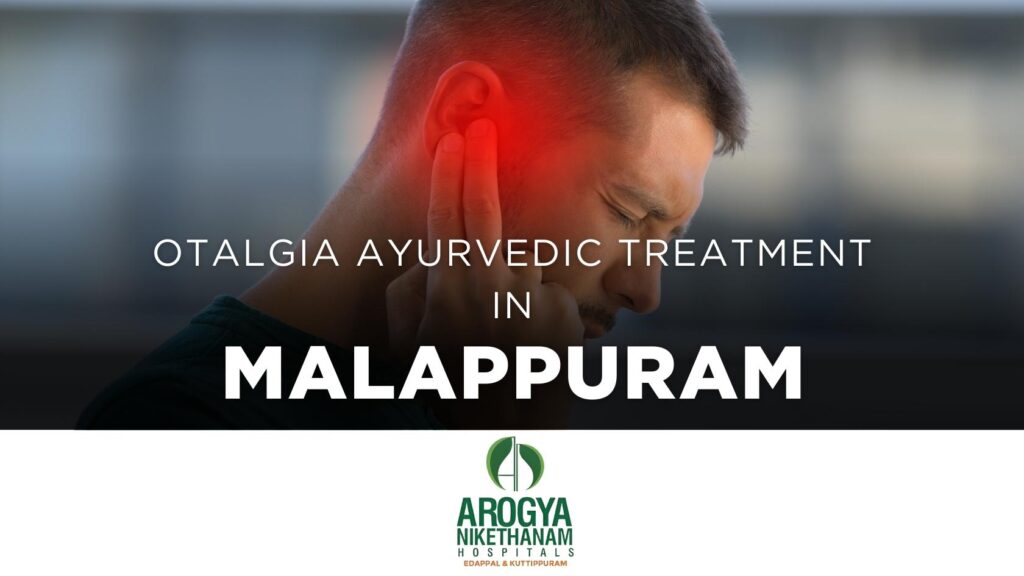
Ear pain (otalgia) can be sharp, throbbing or dull, and it often causes considerable discomfort. According to medical sources, otalgia is defined simply as ear pain, with two main types: primary (arising from the ear itself) and referred (from elsewhere in the head/neck). Common primary causes include ear infections (otitis media or externa), wax impaction, and sinusitis, while referred earache can come from dental problems, temporomandibular joint (TMJ) issues, throat infections or neck disorders. In this blog, you’ll learn about the causes and Ayurvedic understanding of otalgia, the traditional treatments for ear pain, and why Arogya Nikethanam in Malappuram is a trusted choice for natural ear care.
You will discover: Ayurvedic concepts of ear pain; effective therapies like Karnapoorana (ear oiling), Nasya (nasal drops) and herbal oils; diet and lifestyle tips; citations from classical texts; modern evidence; our hospital’s care philosophy; and answers to common questions.
Understanding Otalgia
(Ear Pain)
Primary Otalgia: Pain originating in the ear itself usually comes from conditions like otitis media (middle-ear infection), otitis externa (swimmer’s ear), mastoiditis, or trauma to the ear canal. Often you can see or detect these on exam. For example, a clogged ear canal or a red, bulging eardrum may indicate the source of pain. According to family medicine guidelines, the most common causes of primary otalgia are otitis media and otitis externa.
Referred (Secondary) Otalgia: The ear shares nerves with many other head and neck areas, so pain from the teeth, jaw, throat or sinuses can be felt in the ear. For instance, a tooth abscess or TMJ arthritis often refers pain to the ear canal. Medical experts note that temporomandibular joint syndrome and dental infections are frequent culprits for secondary otalgia. Other sources include pharyngitis (throat infection), tonsillitis, sinusitis, or even cervical spine issues. In short, ear pain may only feel like it’s in the ear, while the true problem lies elsewhere.
Key points on otalgia:
-
Earache may be acute (short-term) or chronic (long-lasting).
-
Children often get primary otalgia (ear infections), whereas adults have more referred causes.
-
Serious causes (rare) include ear tumors or vascular conditions, so red flags like persistent ringing, discharge, hearing loss or systemic symptoms warrant prompt evaluation.
-
Always rule out urgent issues (e.g. skull base tumors) if standard causes are excluded.
The Ayurvedic View of Ear Pain
In Ayurveda, ear disorders fall under Karna Roga (ear diseases). Karnasula is the term corresponding to what we call otalgia. Classical texts explain that ear pain usually involves aggravated Vata dosha, often mixed with Pitta or Kapha. According to the Madhava Nidana (an Ayurvedic diagnostic text), “Vata… moving upward and lodged in the ears produces pain in the ears. This condition is called Karnasula”. In other words, disturbed Vata (wind element) rises into the ear channels along with sticky Pitta/Kapha, causing severe earache.
Ayurveda also classifies ear pain by dosha qualities:
Vata-type Karnashula: Sharp, piercing or throbbing ear pain with dry earwax, tinnitus (ringing), and often hard hearing. This reflects dry, intense Vata imbalance.
Pitta-type Karnashula: Burning, hot pain, with redness or inflammation in the ear and possibly yellow discharge. This is like a “hot” infection (Pitta) in the ear.
Kapha-type Karnashula: A dull, heavy ache with whitish slimy discharge, itching or ear blockage. Kapha imbalances lead to congestion and mild pain.
These Ayurvedic symptom profiles align with what is often seen clinically: Vata pain feels sharp and intermittent, Pitta pain feels burning, and Kapha pain feels full and dull.
Classical acharyas (scholars) detailed ear conditions: Sushruta (of Sushruta Samhita) groups ear pain with deafness and ear itching, prescribing Vata-pacifying measures like oleation (snehana), sudation (svedana) and purgation (virechana). For example, “According to Acharya Sushruta… Karna Shula… have same line of treatment i.e., Snehana, Svedana and Sneha Virechana.”. Similarly, Bhavamisra (in the Yogaratnakara) includes Karnasrava (ear discharge) among ear diseases treatable by Shirovirechana (nasal drops), Karna Prakshalana (ear cleansing), Karnadhupana (ear fumigation) and Karnapoorana (ear drops). This shows that Ayurveda’s ear pain regimen heavily involves balancing Vata and clearing the ear channels.
To summarize the Ayurvedic diagnosis:
Examination: The doctor checks ear appearance and listens for pain type. Vata pain is dry/tingling, Pitta pain hot/red, Kapha pain cloying/watery.
Fundamental imbalance: In Otalgia, vitiated Vata (often due to stress, cold exposure, poor diet) lodges in the ear. Pitta or Kapha involvement modifies symptoms.
Karna Rogas: Ayurveda lists many ear disorders: Karnasula (pain), Karnanada (tinnitus), Badhirya (deafness), Karnaksveda (ear itching), Karnasrava (discharge), etc. Otalgia is one key symptom across these.
Ayurvedic Insight: As one review notes, “In Ayurveda classics… Karnasula is characterized by severe ear ache. The Acharyas mentioned several symptoms and dosha involvements, and it helps to know the dosha nature to choose treatment.”. In practice, Ayurvedic diagnosis pinpoints which dosha is dominant in the patient’s ear pain to tailor treatment.
Ayurvedic Treatments for Otalgia
Ayurveda tackles ear pain with a combination of detox therapies, local procedures, herbal medicines and supportive diet/lifestyle. The core goal is to pacify Vata (and any other involved dosha) and clear the ear channels. Key treatment modalities include:
Panchakarma (Whole-body purifications): Even ear disorders benefit from general cleansing therapies. For example, internal oleation (Snehapana) with medicated ghee and herbal rasayana (rejuvenating tonics) supports nerve and tissue health. Ayurvedic texts advise: “General treatment for all ear diseases includes oral medicated ghee, rasayanas… and avoidance of heavy exertion”. By nourishing and relaxing the body, Snehana (internal/external oiling) and Svedana (steam therapy) help remove deep-seated Vata toxins before local ear treatments. In practice, a doctor may start with a few days of herbal ghee or maha yukt (medicated decoctions) to prime the ear for more specific therapy.
Nasya (Medicated Nasal Drops): Ayurveda famously says “Nasā hi śirasi dvāram” (the nose is the gateway to the head). Nasya therapy involves gently instilling warm herbal oils (like Anu Taila, Shadbindu Taila) into the nostrils. This helps cleanse and lubricate the sinuses and head channels, indirectly relieving ear congestion and pressure. Nasya can remove aggravated Vata from the ears and sinuses. Practitioners often schedule Nasya before ear oiling; Bhavamisra’s protocol for ear disease lists Shirovirechana (a form of Nasya) among first-line treatments.
Karnapoorana (Ear Drop Therapy): Karnapoorana is the cornerstone of Ayurvedic otalgia treatment. In this procedure, warm herbalized oil is gently poured into the ear canal while the patient lies on their side (see image below). Classical oils include Bilwa Taila (made from bael leaf) and Ksheerabala Taila. These oils are Vata-pacifying and nourishing. Ayurvedic practitioners typically administer Karna Poorana daily for 7–21 days (or longer in stubborn cases). Arogya Nikethanam notes: “Karnapoorana uses warm, herbalized oils like Bilwa Taila or Kshirabala Taila poured into the ears for 7–21 days, nourishing the acoustic nerve, reducing inflammation, and improving signal transmission.”. This deeply soothes the eardrum and auditory nerves. Modern herbal formulas (sometimes with neem, coconut, garlic extracts) also harness anti-inflammatory and antimicrobial properties. Scientific studies support Karnapoorana’s benefits: for example, Bilwa Taila has been used successfully for tinnitus and ear discharge.
Traditional Karnapoorana therapy: Warm herbal oil (e.g. Bilwa or Ksheerabala taila) is instilled into the patient’s ear. This ear-drop procedure nourishes and soothes the auditory nerves, relieving pain and inflammation.
Karnadhupana (Ear Fumigation): This is a gentle smoke treatment. In Karnadhupana, medicated herbs or oils (like Triphala or camphor) are heated to produce aromatic smoke, which is then wafted into the ear canal. The mild heat and fumes help draw out impurities and balance Vata. Practically, a small fumigation burner or cloth-wick soaked in herb paste is held near the ear. An Ayurveda review explains: “Karna Dhoopan involves fumigation of the ear through various ayurvedic medicines for ear pain.”. In clinic, Karnadhupana often follows cleansing: it can reduce ear congestion and has a calming, anesthetic effect on ear nerves.
Other Local Therapies: Depending on the case, Ayurvedic doctors may use Karnapadika (ear poultices) or Karnavarti (oil-soaked cotton wicks) placed at the ear entrance to provide prolonged medicated oil exposure. Karnaprasadanam (massaging medicated paste around the ear) can improve circulation. For chronic infections or wax blockage, gentle Karna Prakshalana (ear lavage) with herbal decoction may be done. If infection is severe, Kshara Karna (alkaline ear wash) is sometimes applied to melt wax/discharge.
Ayurvedic Medicines (Herbal and Metal Preparations): Along with procedures, Ayurvedic practitioners give internal herbal medicines tailored to the patient’s dosha. Common herbs/formulas include Triphala, Punarnava, Bilva, Haridra (turmeric) Rasa, and medicated ghee (Ayurveda believes ghee carries the healing power of herbs into the tissues). For example, Lakshmivilasa Rasa is a classical preparation for ear inflammation. A recent Ayurvedic ear-pain guide suggests some home remedies (garlic-infused coconut oil, neem juice) and notes Ayurveda’s focus on root cause and avoiding cold windy conditions.
In clinical practice at Arogya Nikethanam, our Shalakya (ENT) specialists choose from these therapies based on the patient’s constitution and the ear ailment. For acute otitis, we might start with mild Karnapoorna and rest. For Vata-type neuralgic pain, more rigorous Panchakarma is applied. The combination of internal treatment and these Karna Kriyas (ear procedures) addresses both symptoms and underlying imbalance.
Diet and Lifestyle Recommendations
Diet and daily habits are crucial in healing otalgia. Ayurveda prescribes a Vata- and Kapha-pacifying diet to soothe ear pain. Key guidelines include:
Warm, nourishing foods: Emphasize easily digestible meals – like soups, stews, kitchari, and herbal teas (ginger, cinnamon) – which reduce Vata. Include good fats such as ghee or sesame oil in cooking, as they lubricate the tissues. Freshly-cooked grains, root vegetables, warm millets and small amounts of milk or butter are recommended for Vata balance.
Avoid cold, raw and oily foods: Raw salads, chilled drinks or ice-cold foods can aggravate Vata and Kapha, worsening earache. Frozen items or uncooked legumes (which create gas) are discouraged. Ayurveda specifically advises against cold exposure (no direct wind/cold on the ear) and foods like yogurt, bananas and sour fruits during ear pain. These are thought to increase mucus and blockage.
Gentle spices: Use Vata-calming spices: cumin, turmeric, coriander, hing (asafoetida), fennel, ginger and black pepper. They aid digestion and circulation without overheating the system.
Hydration: Drink warm water or herbal teas. Avoid excessive caffeine and carbonated drinks, as they can dehydrate.
Lifestyle: Keep the head warm and covered especially at night. Avoid sleeping in drafts. Use a humidifier in dry weather. Ensure good sleep on time – lack of rest can disturb Vata. Gentle head and neck exercises or oil massage can keep Vata stable. If stress is a factor, practices like pranayama (breathing) and meditation are helpful.
Ear care: Do not use cotton buds that push wax inward. Clean only the outer ear. After swimming or showering, dry the ear gently. For prevention, periodic Karnapoorana at home (with doctor’s recipe oil) can maintain ear health.
These Diet & Lifestyle Tips are guided by classical advice: “avoid cold and wind… avoid Kapha-aggravating foods such as curd, banana, sour fruits” when treating ear pain. At Arogya Nikethanam, we counsel all patients on these simple Ayurvedic dietetics to complement therapy.
Why Arogya Nikethanam is the Trusted Choice
Arogya Nikethanam in Malappuram is a leading center for natural healing. Established in 2016, we are “a trusted Ayurveda hospital dedicated to holistic healing and wellness”. Our approach to otalgia treatment is grounded in this trust and expertise:
Experienced Shalakya (ENT) Specialists: Our ENT department is staffed by qualified Ayurvedic physicians who specialize in ear disorders. (For example, Dr. Athulya N.B., our Shalakya expert, brings focused training in Ayurvedic ear and eye treatments.) They have extensive experience managing all forms of ear pain and customize care to each patient.
Comprehensive Panchakarma Facilities: We offer full Panchakarma suites for detox therapies. This includes Shirodhara, Abhyanga (full body massage), and on-site Nasya and Karnapoorana setups. Our practitioners perform ear treatments (oil instillation, fumigation, cleansing) safely and hygienically. The hospital’s facilities page highlights: “Panchakarma treatments and physiotherapy by experienced doctors” along with yoga and Ayurvedic diet plans.
Authentic Ayurvedic Care: True to Ayurveda’s teachings, we use classical protocols and genuine herbal medicines. Our pharmacy dispenses time-tested formulations and oils (like Ksheerabala, Bilwa taila, etc.) without adulteration. As our mission states, we uphold “authentic Ayurvedic care, [and] integrate traditional wisdom with modern healthcare”. This means patients receive pure, evidence-based Ayurvedic therapies rather than shortcuts.
Comfortable Healing Environment: The hospital is set in a serene, rural campus. It “blends modern healthcare with traditional Ayurvedic treatments,” offering tranquil Panchakarma rooms and meditation spaces. We have both air-conditioned and regular rooms (deluxe cottages available), multiple consulting rooms and treatment theaters. As noted on our site, we maintain premium facilities (7 OP rooms, 28 IP rooms) and amenities like high-speed internet for patients.
Holistic Support: Beyond direct treatments, we emphasize patient education and follow-up. Our care team includes dietitians, yoga instructors and counselors. We offer yoga classes and Ayurvedic meals on-site as part of therapy. Feedback from our patients underscores the compassionate atmosphere and thorough care (one review praises “Good doctors.. And atmosphere..”).
Why Malappuram? Our location on Kuttippuram-Edappal road is convenient for residents of Malappuram and neighboring districts. Locally, many seek us out because we specialize in chronic ailments and ear issues. With a Google rating above 4.4, our reputation speaks for itself.
“Arogya Nikethanam is a trusted Ayurveda hospital… specializing in personalized treatments for chronic ailments,” as described on our website. We have helped thousands of patients recover from ear pain, from infants with otitis media to seniors with tinnitus, using gentle Ayurvedic methods.
By choosing us for your Otalgia Ayurvedic treatment in Malappuram, you get expert attention in a holistic healing setting. Our blend of compassionate care and authentic therapies has made Arogya Nikethanam a reliable name for ear pain relief.
Choosing Arogya Nikethanam for Ear Pain Relief
At Arogya Nikethanam in Malappuram, we understand how disruptive ear pain can be. That’s why our Otalgia Ayurvedic treatment in Malappuram is designed to bring gentle yet effective relief. By addressing both the symptoms and root imbalance, we help you heal naturally.
If you or a loved one is suffering from earache, consider an Ayurvedic approach:
Personalized Care: Our Ayurvedic ENT specialists will thoroughly evaluate your otalgia and design a treatment plan just for you.
Authentic Therapies: We use classical procedures (Karnapoorana, Nasya, etc.) with high-quality herbal medicines.
Holistic Support: In addition to therapies, we guide you in diet, lifestyle and preventive measures.
Comfort & Trust: Enjoy our peaceful environment, supportive staff, and proven care protocols backed by years of experience.
Relief from ear pain is possible without repeated antibiotics or invasive surgery. Ayurveda focuses on lasting wellness. As the Kerala Tourism Ayurveda portal notes, “Karnapoorana is prescribed for the treatment of ear injuries and pains, dizziness, vertigo, and nausea.” Likewise, at Arogya Nikethanam, our Karnapoorana and complementary treatments have helped many patients recover from otalgia and related issues.
Frequently Asked Questions
1. What is Otalgia Ayurvedic treatment in Malappuram at Arogya Nikethanam Hospital?
At Arogya Nikethanam Hospital, Malappuram, Otalgia Ayurvedic treatment involves ear therapies like Karnapoorana and Nasya, herbal medicines, and Panchakarma to naturally relieve ear pain by addressing dosha imbalances.
2. How does Karnapoorana relieve ear pain?
Karnapoorana gently fills the ear with warm herbal oil to reduce inflammation, soothe the nerves, and balance Vata dosha—providing effective relief from otalgia.
3. How long does the Otalgia Ayurvedic treatment typically take?
At Arogya Nikethanam Hospital, treatments usually span 7 to 21 days. Chronic conditions may need up to 4–6 weeks of therapy and herbal support.
4. Is Ayurvedic ear oil therapy safe for children?
Yes. Arogya Nikethanam uses child-friendly oils in safe doses. Pediatric ear pain is treated gently and effectively with Karnapoorana and related therapies.
5. Are there any side effects of Ayurvedic ear treatments?
Side effects are rare. Arogya Nikethanam’s experienced team ensures safety by tailoring oil type and quantity after proper ear examination.
6. What precautions should I follow before treatment?
Avoid cold wind, spicy or chilled foods, and refrain from using earbuds before your session at Arogya Nikethanam Hospital, Malappuram. Arrive with clean, dry ears.
7. Which herbs and oils are used in Otalgia treatment?
Common oils include Bilwa Taila and Ksheerabala Taila. Internally, herbs like Triphala, Ashwagandha, and turmeric are used to heal and detoxify.
8. Can Ayurvedic treatment help with tinnitus and ringing in the ears?
Yes. Karnapoorana and supportive therapies calm overstimulated nerves and help reduce ear ringing at Arogya Nikethanam.
9. Is Otalgia Ayurvedic treatment effective for chronic ear infections?
Yes. Arogya Nikethanam Hospital treats chronic otitis and ear discharge with a combination of cleansing, detox, and immune-balancing herbs.
10. How do I book an Otalgia Ayurvedic treatment at Arogya Nikethanam Hospital, Malappuram?
You can call +91 8866459900 or +91 8866469900, email arogyaanikethanamedapal@gmail.com, or visit www.arogyanikethanam.org to book your consultation.